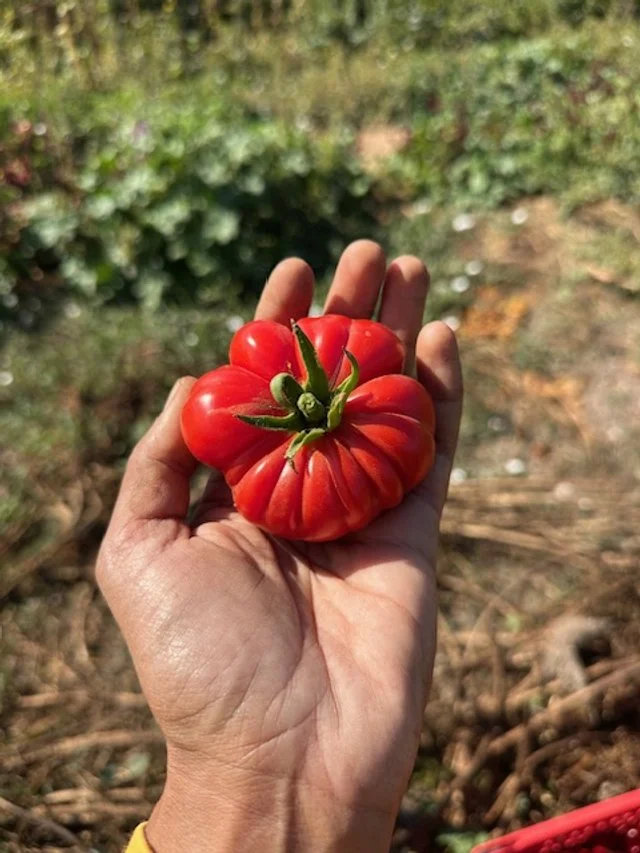
 Image 1 of 3
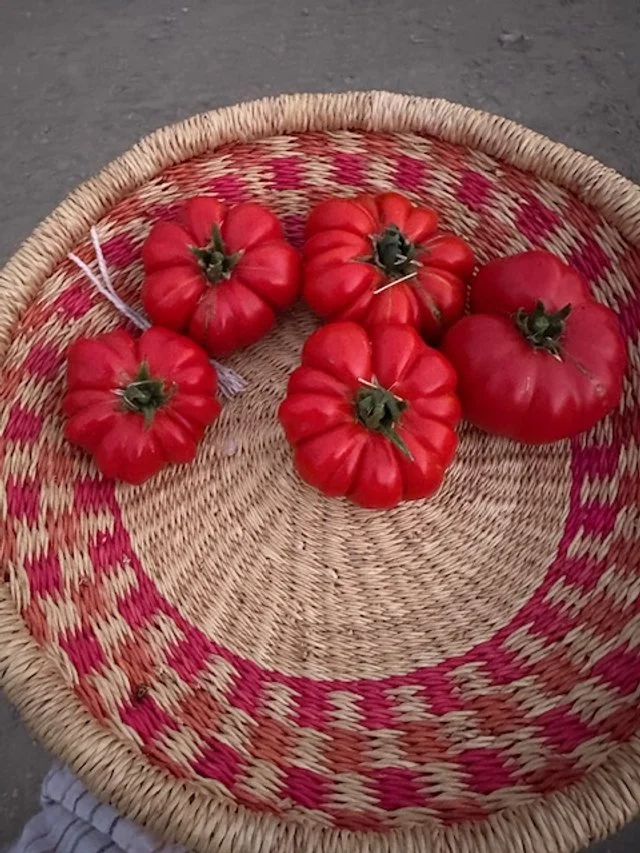 Image 2 of 3
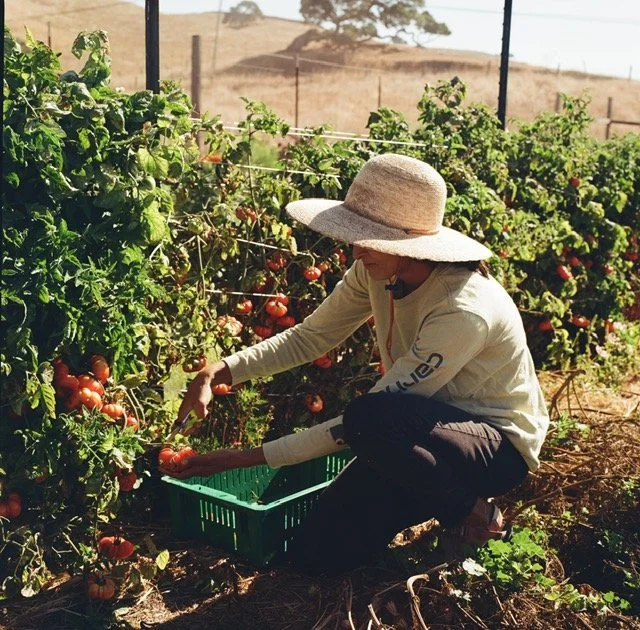 Image 3 of 3
More Seeds
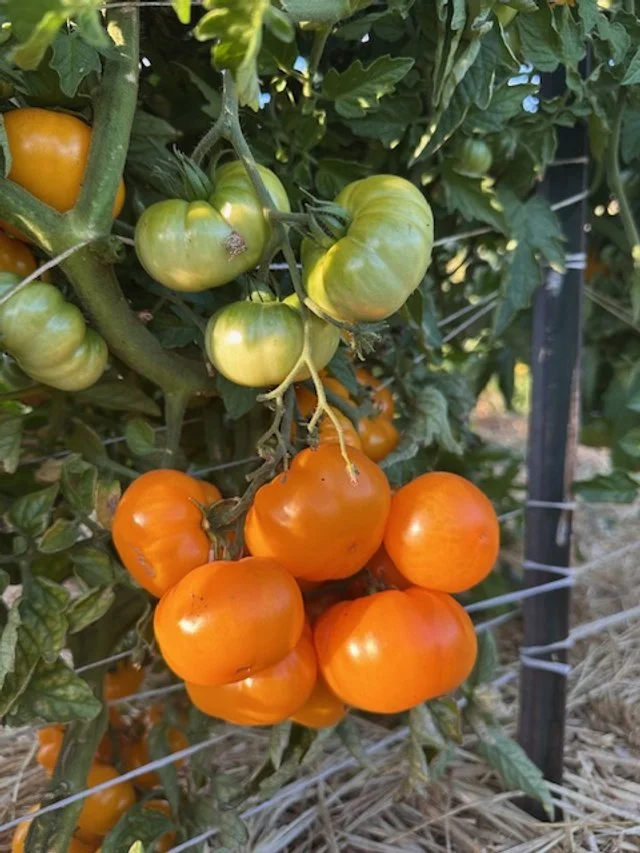
Seeds for this Afghan tomato were brought to the United States from the Khorokh district of Afghanistan in 1937 by Rumi Banjan. We were delighted by how sweet and fruity these tomatoes were. They were also the first of our 6 tomato varieties to ripen on our farm and continued producing well into the Fall. They served as a great snack for all our visitors on the farm, but were also delicious on salads and in cooked dishes.
These tomatoes are small to medium in size and have a deep yellow color with red marbling on the bottom. Overall, great non-acidic tomato to have in your garden or farm and highly productive.
We saved these seeds during one of our commuity seed saving events and it was one of the most joyous days of the farming season. Save seeds yourself and share with your community!
As an open pollinated variety, anyone can save seeds and regrow this same variety next year! Simply squeze the flesh of the ripe tomato into a small glass, add a bit of water and let ferment for a few days. Decant the seeds by adding more water and slowly pouring off the seeds and flesh that float to the top. Do this a few times until the water runs clear and the remaining seeds have settled to the bottom. Strain seeds, dry them on a plate of piece of wax paper and then store in a paper envelope or glass jar out of direct sunlight. Seeds stay viable for 5-7 years.
100+ seeds per packet.
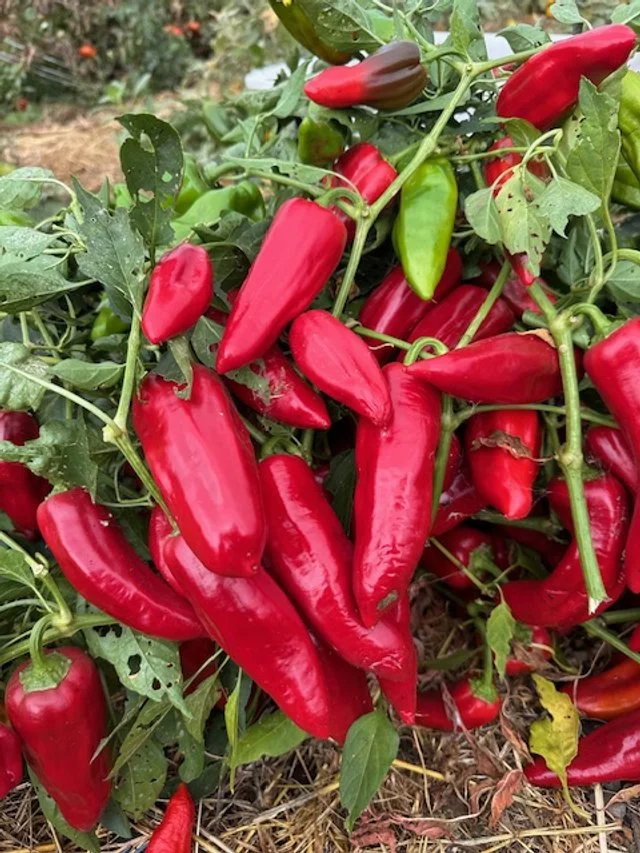
A super prolific pepper variety typically used in the powdered form to add color and heat to dishes. The fresh pepper has bright, citrusy notes and medium pungency. We love using the fresh pepper in cooked dishes. It adds the perfect amount of heat without being too overbearing. Just be careful if eating the peppers straight off the plant like we do… Some are much hotter than others!
This pepper variety was the first on our farm to turn red, despite our cooler climate. These plants tend to topple over because of how many peppers it produces at the same time so plan to stake or help support the plant. Can benefit from some shade if temperatures exceed 90 degrees.
Harvest peppers when red, place in oven on the lowest setting until peppers are totaly dry and blend into a powder or chili flake. We also really enjoyed cooking with the green pepper. It’s slight heat was a great addition to stir-frys and sautees!
25 seeds per packet.
Capsicum annuum
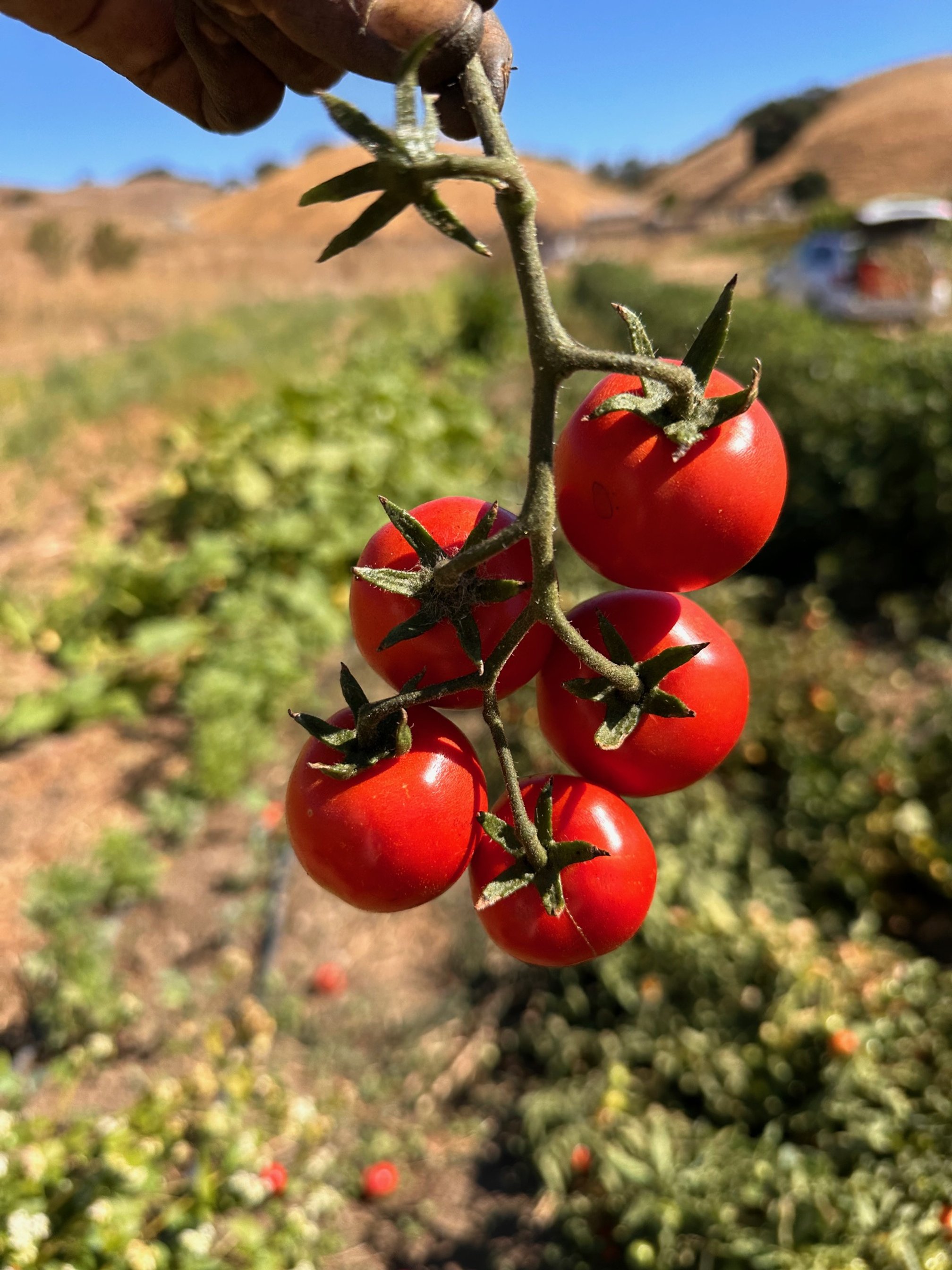
We named this tomato after the South Asian dish 'Kachumber' as an ode to the humble, yet ubiquitous side dish that we grew up eating. These tomatoes are firm, juicy, umami with the perfect ratio of sweet to tangy. They're a delicious fresh eating tomato and adding them to any tomato salad or side dish levels up the flavor profile exponentially. It's remarkable how delicious a simple dish can be when using heirloom vegetables that are not mass produced with GMO or hybrid seeds and pesticides.
This is a determinate tomato variety meaning it will set all its flowers within a 1 month period and the harvest period will soon follow. Each plant produces nearly 100 tomatoes that are each 2-3 inches in diameter. The plant grows in a bush habit so no staking is necessary although it can help with ease of harvest. We do not recommend pruning off the lower branches. These tomatoes are perfect for fresh eating but can also be used as a cooking or canning tomato.
Kachumber is just one of many 'tomato salads' that exists throughout the SSWANA region but also in the Mediteranean and Central America. In East Africa there is a nearly identical dish called Kachumbari; in Iran it’s known as Shirazi; in Iraq it's Summag. There are countless variations of this kind of salad and they always contain fresh tomatoes, cucumbers and a variation of other vegetables, herbs and citrus. Here in the US we are all probably familiar with the variation from Mexio known as Pico de Gallo.
Here is our family’s recipe for Kachumber:
Equal parts tomato, cucumber, onion all diced very finely, with a squeeze of lemon, some cilantro and salt. Other additions to this simple salad are optional (such as avocado or green mango) but using fresh, locally or home grown vegetables always makes this dish go from ordinary to extraordinary.
Our seeds are originally from India and this is our second year growing this variety for seed.
25 seeds per packet.
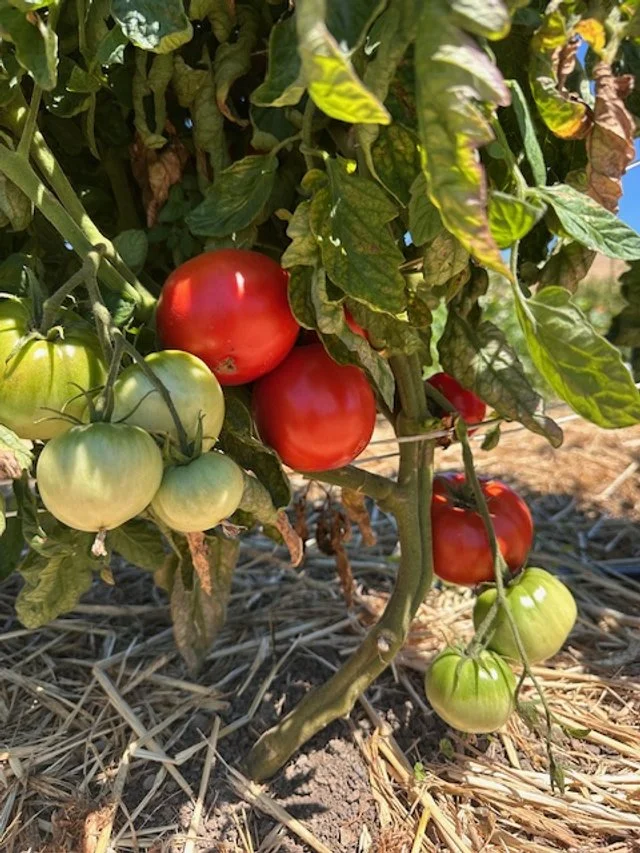
The Nepal tomato is an heirloom tomato originally form the Northern Himalayan mountains. Big sprawling, indeterminate plant producing an abundant crop of 10-12oz (~1/2 lb), smooth, round, scarlet-red tomatoes. Intense sweet, rich flavors. Fantastic early-midseason slicer with sturdy, vigorous vines, crack-resistant fruit, and a heavy set for its size. Can also be harvested green and ripened off the vine. May not be as interesting to look at but the flavor of these tomatoes have made them popular among many tomato growers.
As an open pollinated variety, anyone can save seeds and regrow this same variety next year! Simply squeze the flesh of the ripe tomato into a small glass, add a bit of water and let ferment for a few days. Decant the seeds by adding more water and slowly pouring off the seeds and flesh that float to the top. Do this a few times until the water runs clear and the remaining seeds have settled to the bottom. Strain seeds, dry them on a plate of piece of wax paper and then store in a paper envelope or glass jar out of direct sunlight. Seeds stay viable for 5-7 years.
Minimum 100 seeds per packet.