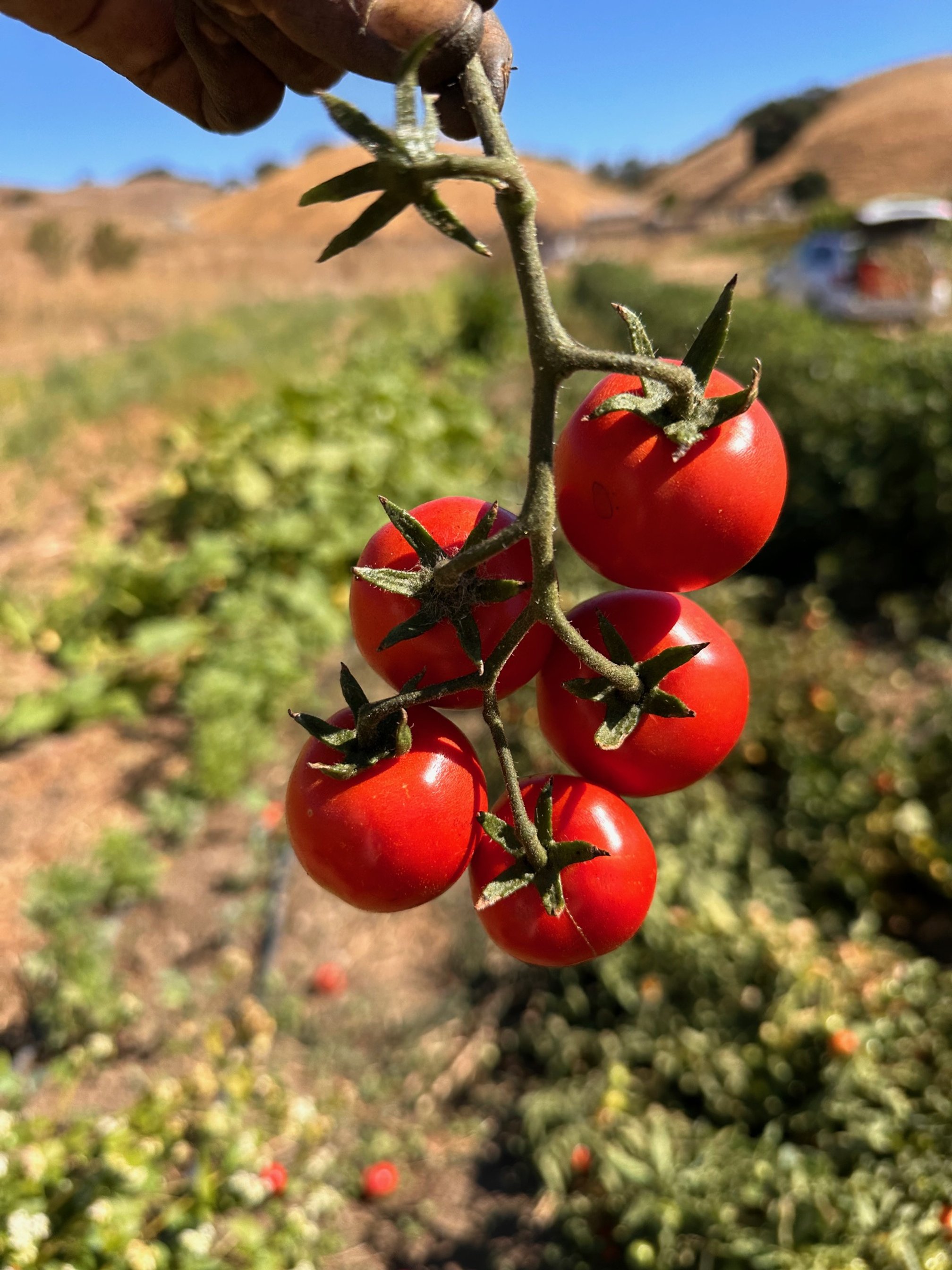
 Image 1 of 5
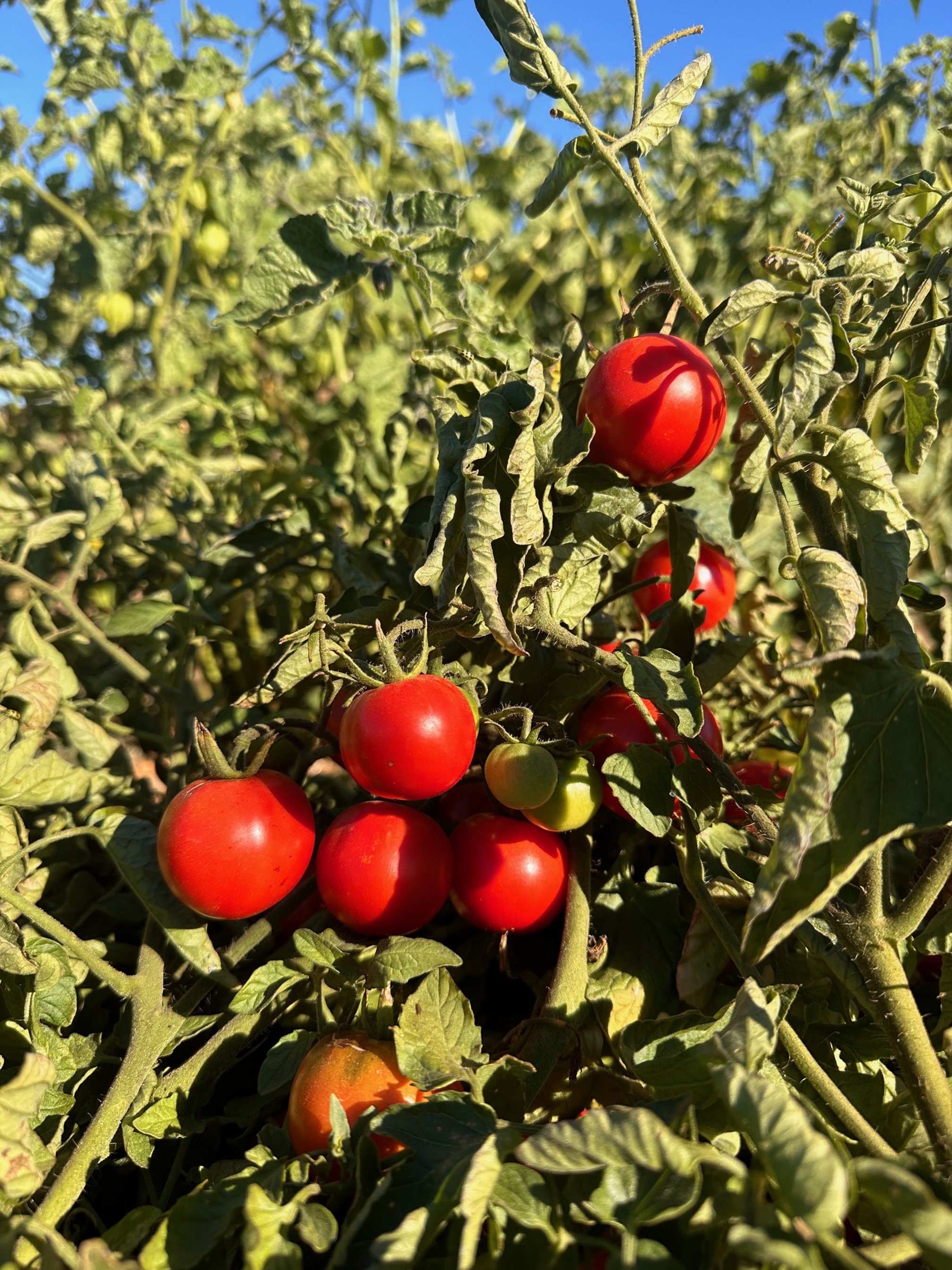 Image 2 of 5
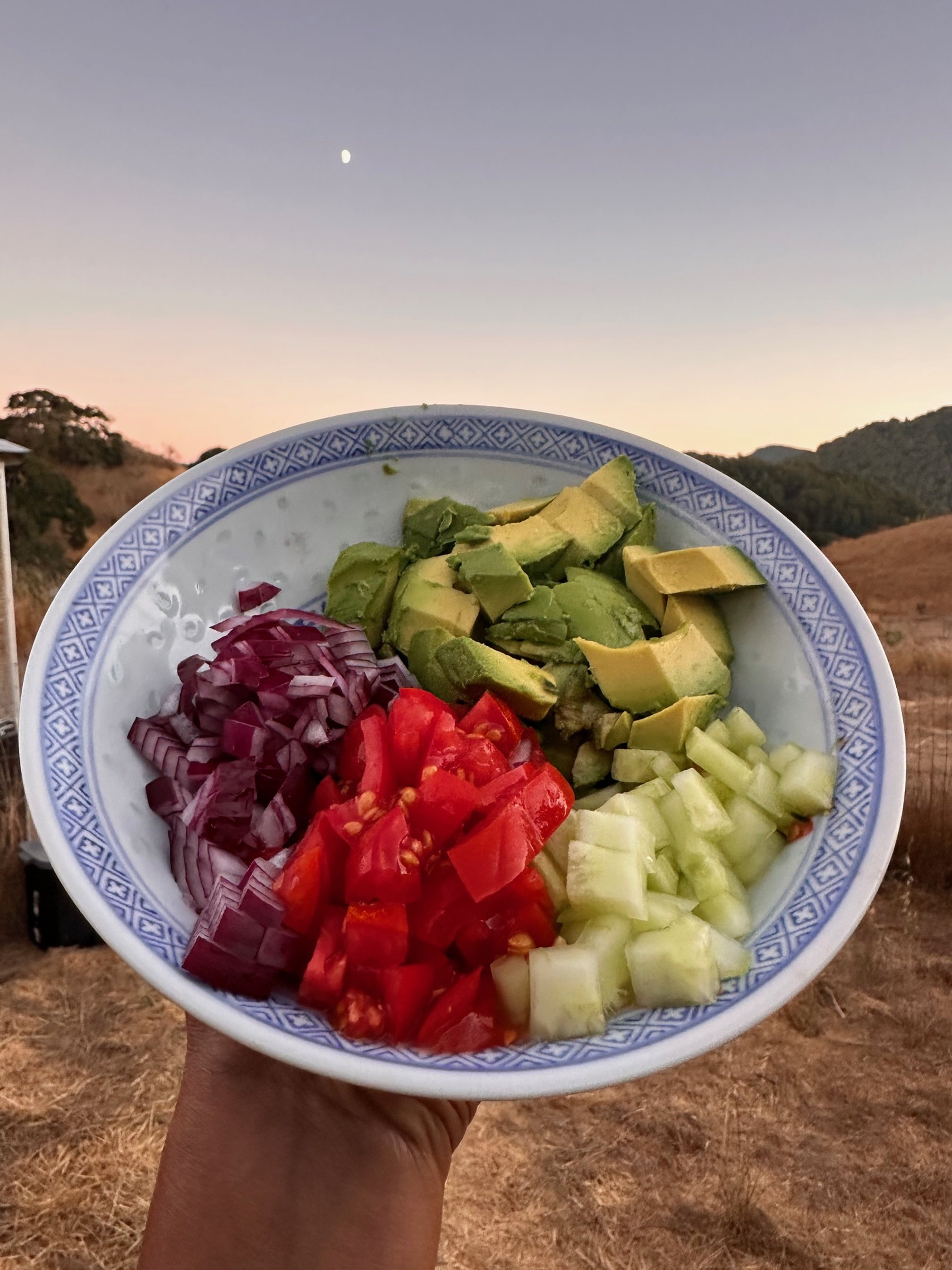 Image 3 of 5
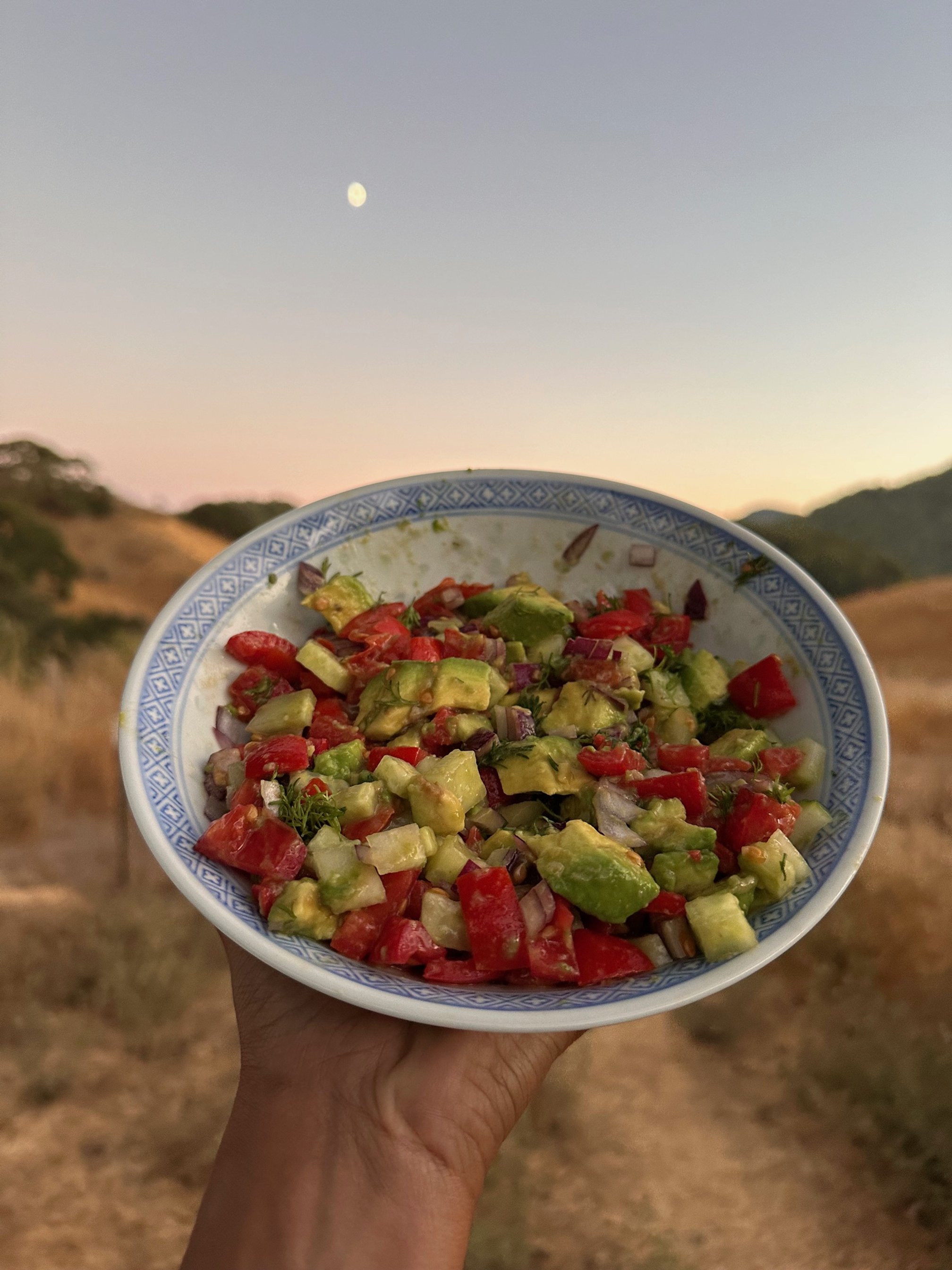 Image 4 of 5
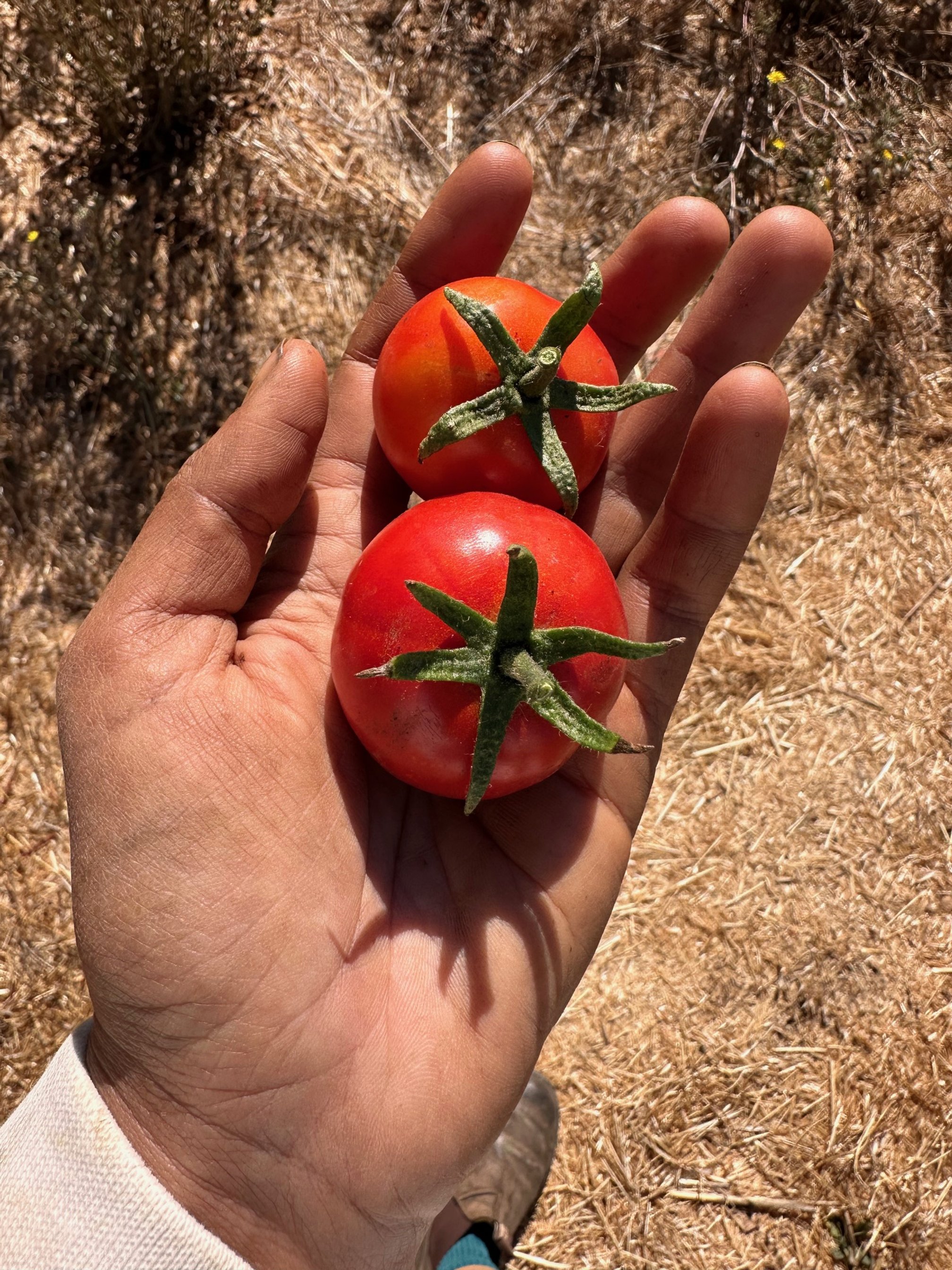 Image 5 of 5
More Seeds
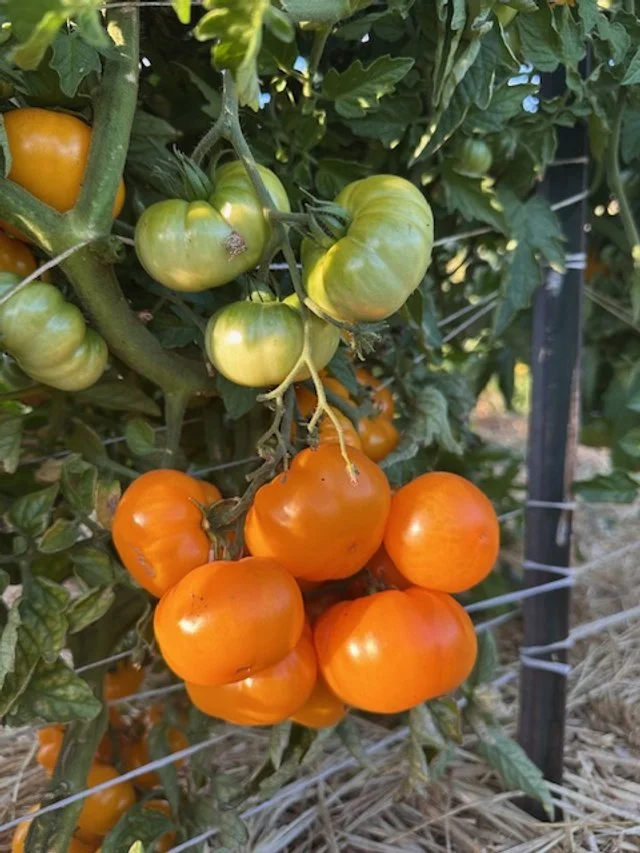
Seeds for this Afghan tomato were brought to the United States from the Khorokh district of Afghanistan in 1937 by Rumi Banjan. We were delighted by how sweet and fruity these tomatoes were. They were also the first of our 6 tomato varieties to ripen on our farm and continued producing well into the Fall. They served as a great snack for all our visitors on the farm, but were also delicious on salads and in cooked dishes.
These tomatoes are small to medium in size and have a deep yellow color with red marbling on the bottom. Overall, great non-acidic tomato to have in your garden or farm and highly productive.
We saved these seeds during one of our commuity seed saving events and it was one of the most joyous days of the farming season. Save seeds yourself and share with your community!
As an open pollinated variety, anyone can save seeds and regrow this same variety next year! Simply squeze the flesh of the ripe tomato into a small glass, add a bit of water and let ferment for a few days. Decant the seeds by adding more water and slowly pouring off the seeds and flesh that float to the top. Do this a few times until the water runs clear and the remaining seeds have settled to the bottom. Strain seeds, dry them on a plate of piece of wax paper and then store in a paper envelope or glass jar out of direct sunlight. Seeds stay viable for 5-7 years.
100+ seeds per packet.
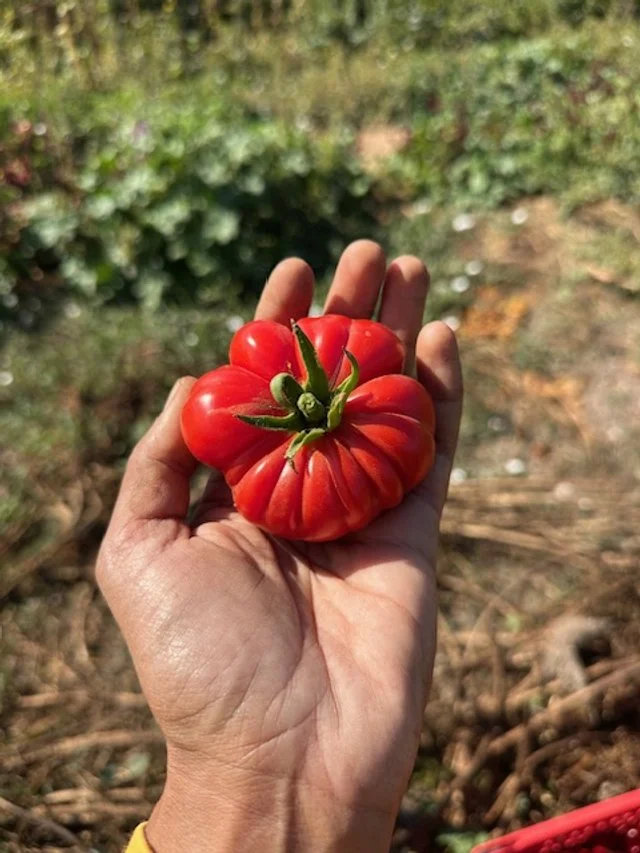
The Burmese Sour Tomato is an heirloom variety from the town of Yangon, Myanmar (Burma). Dramatically ribbed and averaging between 5-10oz. It is a very productive, indeterminate variety that ripens to a bright red color. These tomatoes are slightly less sour than our Desi Girl tomatoes but still impart a tangy flavor to dishes.
As an open pollinated variety, anyone can save seeds and regrow this same variety next year! Simply squeze the flesh of the ripe tomato into a small glass, add a bit of water and let ferment for a few days. Decant the seeds by adding more water and slowly pouring off the seeds and flesh that float to the top. Do this a few times until the water runs clear and the remaining seeds have settled to the bottom. Strain seeds, dry them on a plate of piece of wax paper and then store in a paper envelope or glass jar out of direct sunlight. Seeds stay viable for 5-7 years.
Minimum 100 seeds per packet.
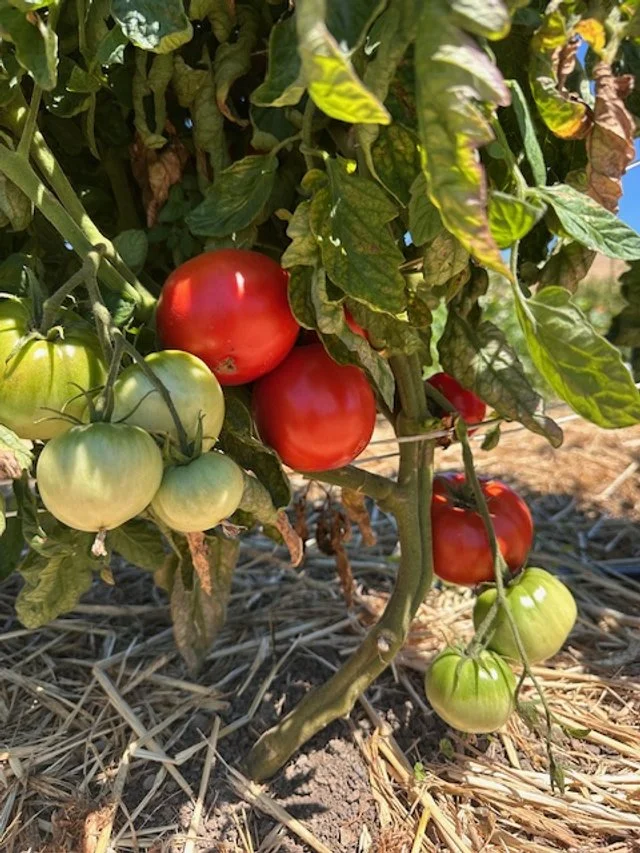
The Nepal tomato is an heirloom tomato originally form the Northern Himalayan mountains. Big sprawling, indeterminate plant producing an abundant crop of 10-12oz (~1/2 lb), smooth, round, scarlet-red tomatoes. Intense sweet, rich flavors. Fantastic early-midseason slicer with sturdy, vigorous vines, crack-resistant fruit, and a heavy set for its size. Can also be harvested green and ripened off the vine. May not be as interesting to look at but the flavor of these tomatoes have made them popular among many tomato growers.
As an open pollinated variety, anyone can save seeds and regrow this same variety next year! Simply squeze the flesh of the ripe tomato into a small glass, add a bit of water and let ferment for a few days. Decant the seeds by adding more water and slowly pouring off the seeds and flesh that float to the top. Do this a few times until the water runs clear and the remaining seeds have settled to the bottom. Strain seeds, dry them on a plate of piece of wax paper and then store in a paper envelope or glass jar out of direct sunlight. Seeds stay viable for 5-7 years.
Minimum 100 seeds per packet.
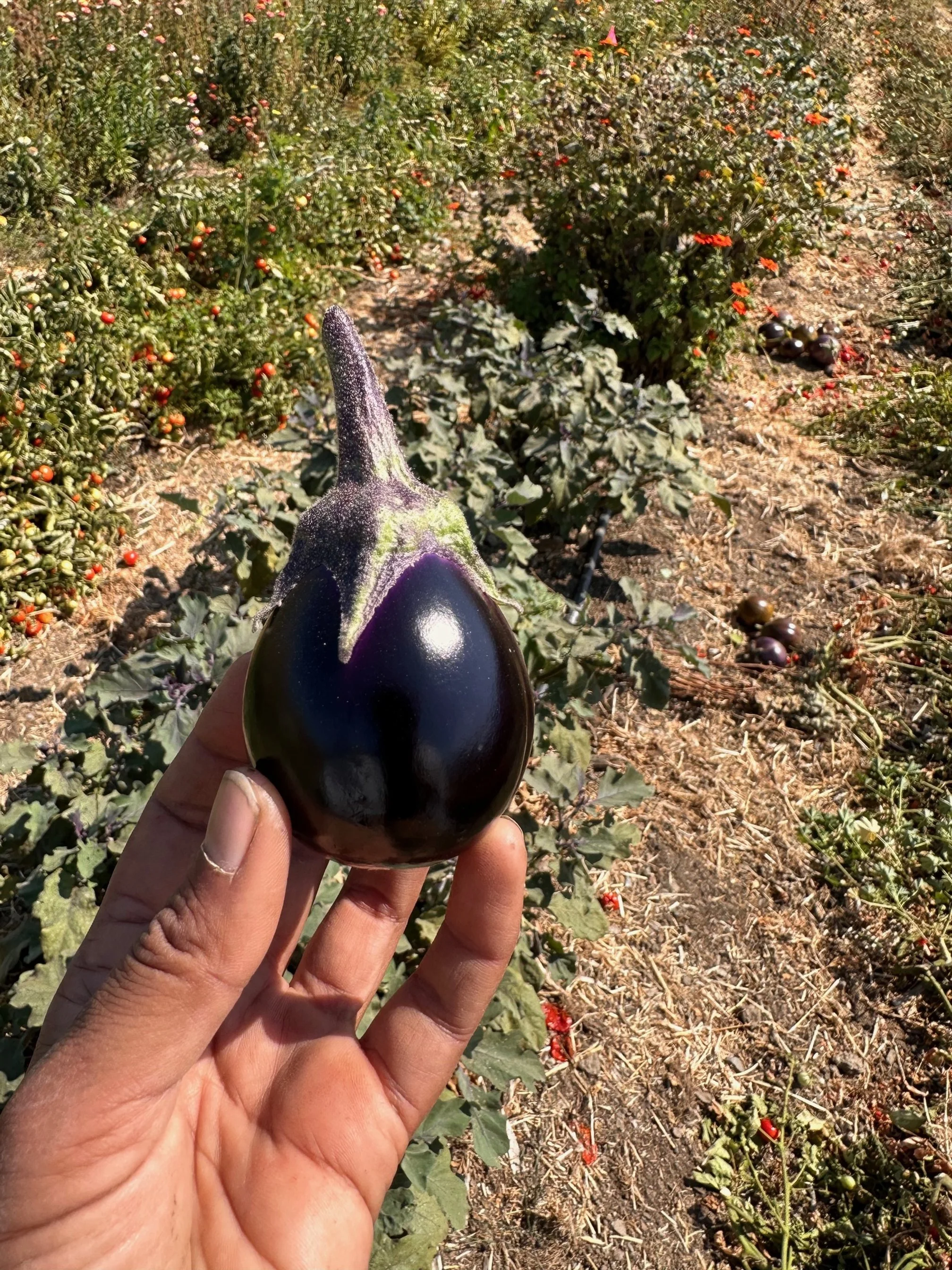
A popular variety of eggplant in South and Southeast Asia. Small oval eggplant with glossy reddish-purple skin. This variety grows to 2-3” and is a bit easier to grow than other eggplants. Perfect for making masala stuffed eggplant. I was shocking just how many eggplants we were able to harvest off of each plant. If you are consistently harvesting them when they are still small, the plant will continue to put energy back into flower/fruit production. You can also let the eggplants grow a bit bigger and they are still delicious. We made a lot of batches of baba ganoush with the eggplants that got a little too big.
This variety is one of the first crops on our farm to start producing fruits and produces all the way until frost. Grows as a small bush and does not require staking or trellising. Can tolerate colder climates.
25 seeds per packet.