 Image 1 of 7
 Image 2 of 7
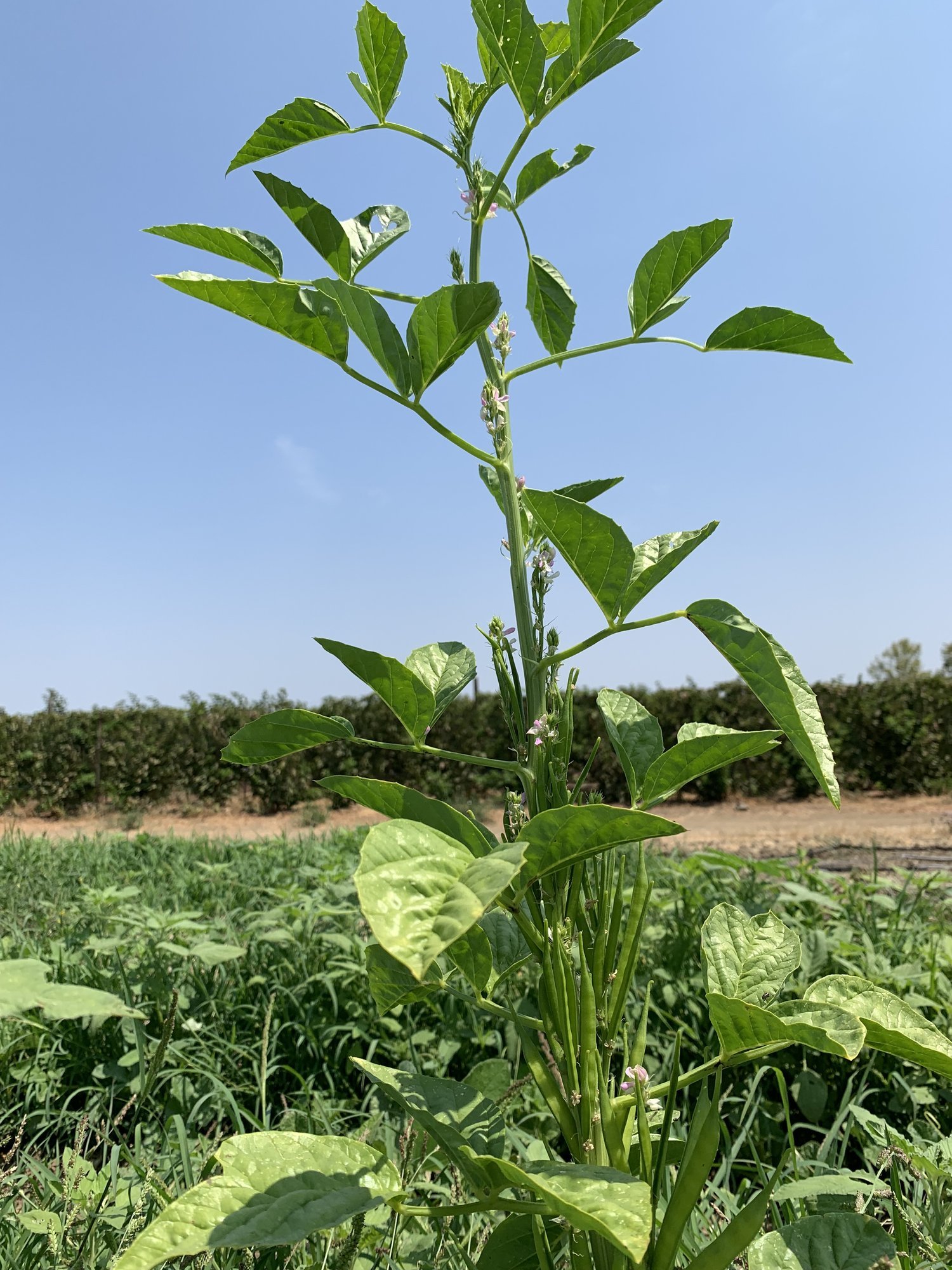 Image 3 of 7
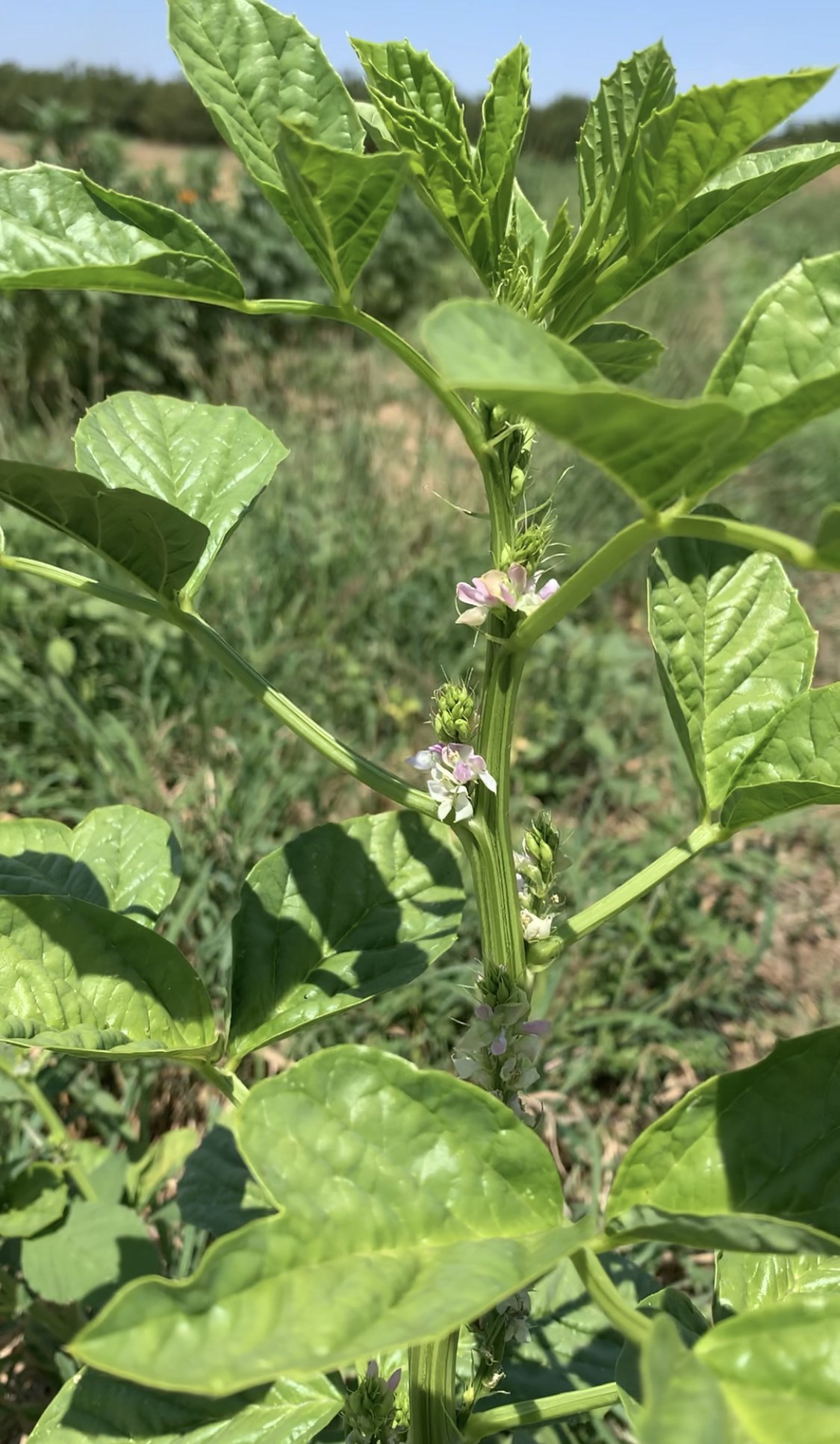 Image 4 of 7
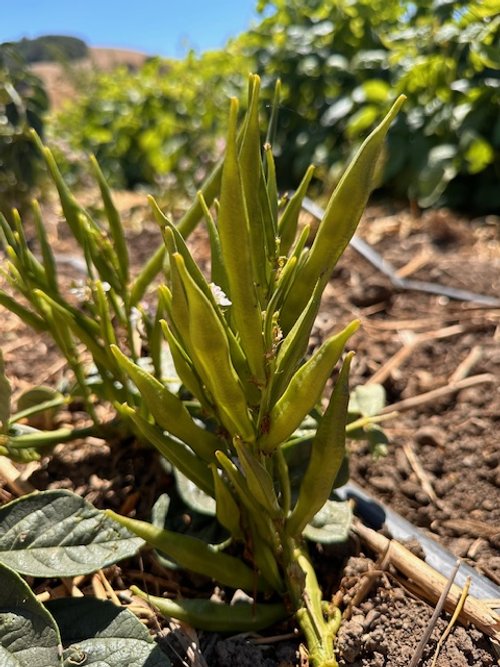 Image 5 of 7
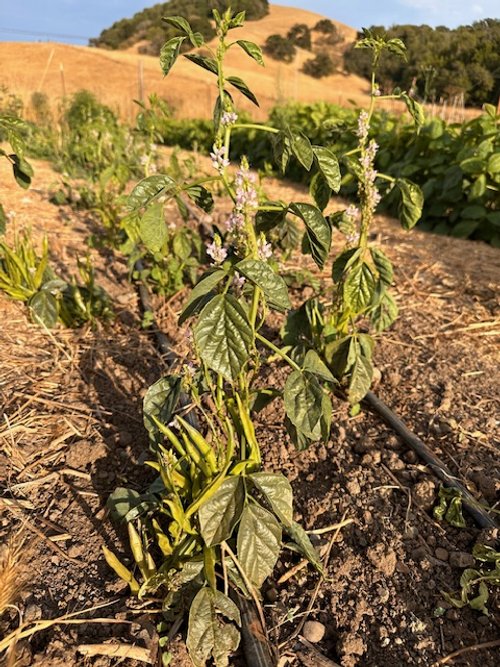 Image 6 of 7
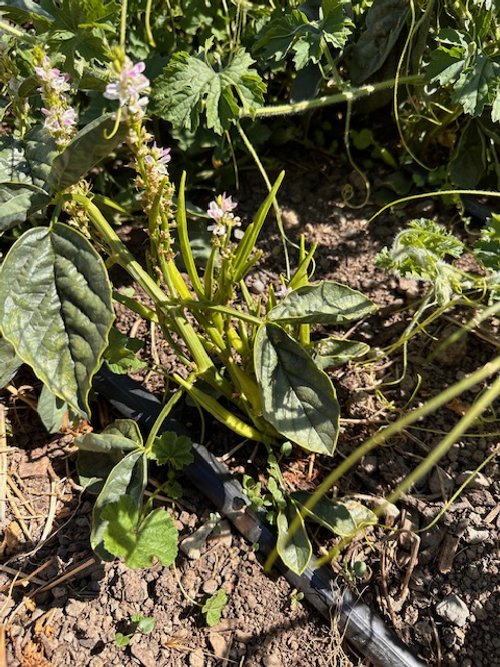 Image 7 of 7
More Seeds

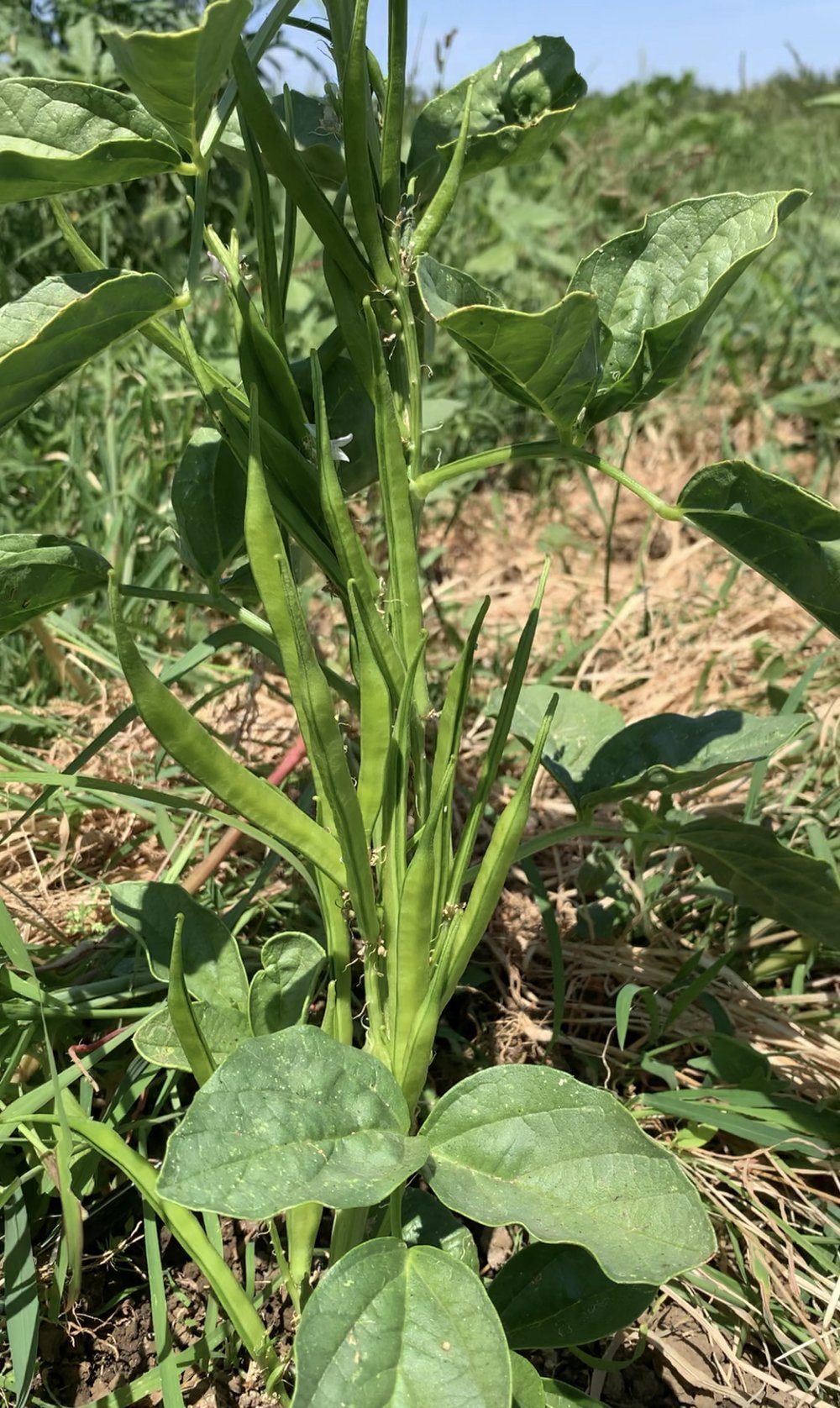
A small bush variety that is easy to grow and produces edible green pods when young or the Choli (black-eyed pea) bean if left to dry on the plant. Small, stunning white flowers adorn the plant mid-Summer. Can tolerate part-shade all the way to full sun. As a legume, the plant fixes nitrogen into the soil, making it a beneficial plant to have in the garden.
An heirloom variety from Surat, India. These seeds were gifted to us by our friend Hetal, whose family tended to these seeds for over 6 generations.
20 seeds per packet.

A smooth skinned, open pollinated variety with fruits that remain extremely tender. Fruits are dark green, straight, slender pods around 5-6" long. This is the ideal variety for making bhindi masala (A South Asian spiced okra curry).
Okra is a heat loving crop, capable of thriving in dry conditions. Adaptable to most soil conditions, they can be negatively affected in heavy, waterlogged ground. Harvest window spans 6-8 weeks. Consistant harvesting (every 2-3 days) will ensure a prolific harvest through out the season.
Seeds can be started indoors 3-4 weeks before being transplanted outside or direct seeded when nighttime temperatures are steadily above 55 degrees. We recommend direct transplanting in May or June for optimal success.
Our seeds are originally from the awesome farmers at Xiong Farms. We were delighted to find this Indian Okra variety being sold at the Old Oakland Farmers Market and they were generous enough to share seeds with us over 3 years ago! They initially received these seeds from someone at an Indian store over 9 years ago and have been growing them and saving seeds for their own usage. Our seeds are highly adapted to cooler climates and this is especially due to Xiong Farms’ stewardship!
Each packet contains 20 seeds.

Beautiful purple flowers producing 2-3" long half moon shaped beans in late Summer and Fall. Known as hyacinth bean in English. Delicious pods can be used for dishes like Undhiyu. Beans can also be shelled and used to make Surti Papdi Lilva shaak, where the green bean seeds are shelled and cooked with spices, onions, garlic and ginger. Vining variety, requires a trellis. Can either be direct seeded outside or started indoors 2-3 weeks before planting outside.
An heirloom variety that has been stewarded for over 6 generations in the Kodhi Village in Surat, India.
20 seeds per packet.

Kalonji, also known as Black Cumin, Black Seed, and Nigella is a highly medicinal spice used in South Asian and Middle Eastern cuisine. In the Tibb-e-Nabwi, the Muslim medicinal guide, 7 Nigella seeds a day is said to be the cure for all diseases except death. The seeds are also delicious when used on naan, curries, roasted vegetables or pickles.
The plant resembles the common garden flower, Love-in-a-mist, with delicate fennel like foliage and stands 10-12" tall. During peak bloom the plant sends out dozens of five or six petaled white flowers that are highly attractive to bees. Over the course of a week, the seed pod slowly begins to balloon up and develop as it is pollinated. It is a lovely sight and a wonderful activity to sit in the garden and watch as the bees are hard at work!
We have found that these seeds do not transplant well. To plant, simply sprinkle seeds on top of soil surface and scratch seeds in or gently use a rake to bury seeds slightly. Plants do not need to be accurately spaced but aim for 2-4" between plants. No thinning is required. For best results, it's best to wait until the weather has warmed and the last chance of frost is long gone. Keep soil moist until first signs of germination. If hand watering, be careful not to drown seeds while watering. It can be helpful to cover seeds with floating row cover or cardboard for the first week to help keep the soil surface moist. Seeds should germinate in 7-10 days. Can be grown in pots too.
Flowers can be harvested for fresh flower bouquets. At full maturity, the seeds pods will turn brown and become papery. To save seeds for culinary or planting purposes, allow pods to fully dry on plant and gently open over a bowl or bag.
We were astonished at how potent the smell of freshly harvested seeds were! Growing up only having smelled the bagged seeds from Indian stores, there is a stark difference between the two. Our seeds are originally from the Jhalawar district in Rajasthan, India and we have been stewarding them here on our land for the last 2 years.
Each packet includes minimum 1/2 oz of seeds. Enough for cooking and planting purposes.