 Image 1 of 7
 Image 2 of 7
 Image 3 of 7
 Image 4 of 7
 Image 5 of 7
 Image 6 of 7
 Image 7 of 7
More Seeds
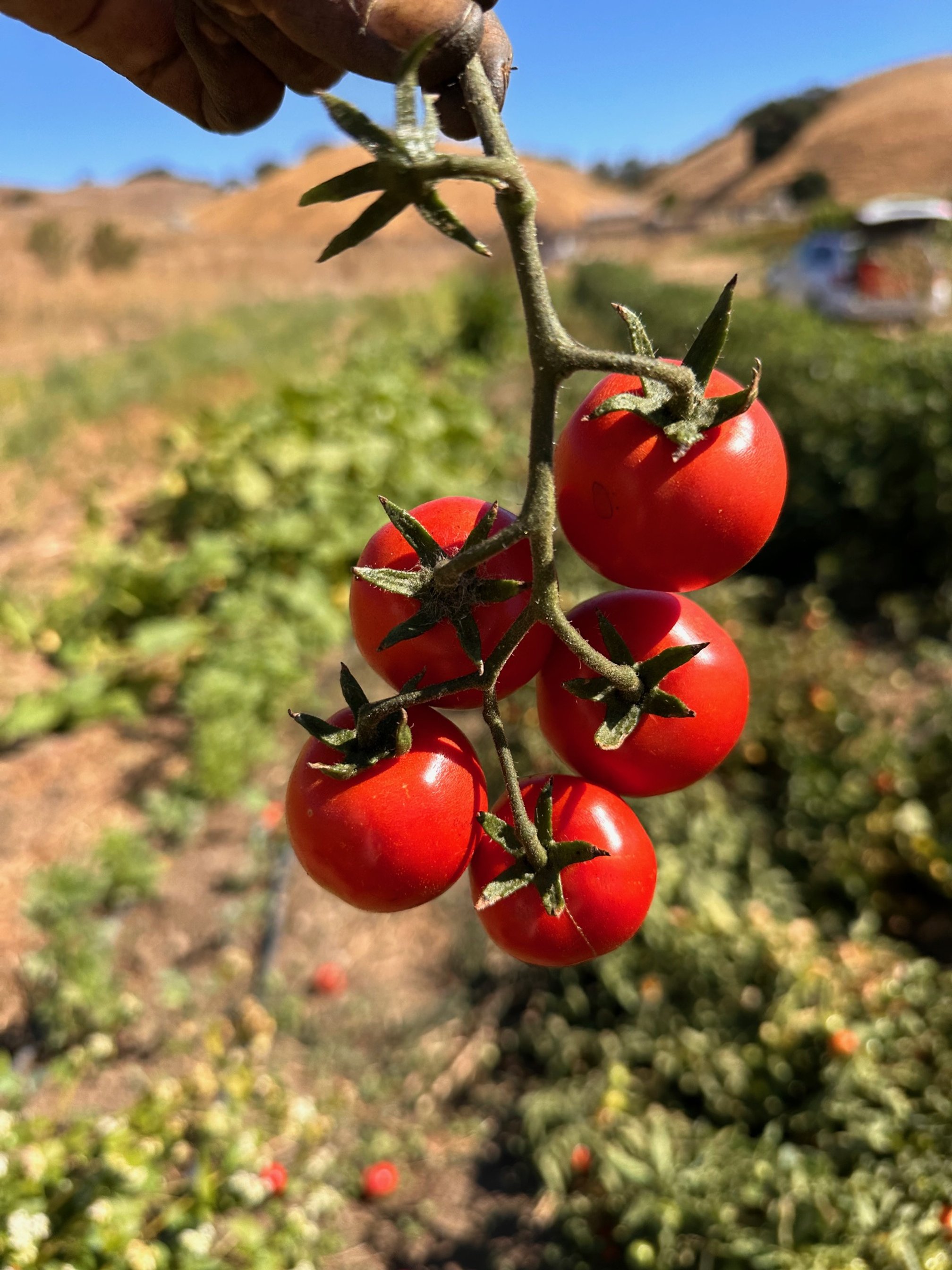
We named this tomato after the South Asian dish 'Kachumber' as an ode to the humble, yet ubiquitous side dish that we grew up eating. These tomatoes are firm, juicy, umami with the perfect ratio of sweet to tangy. They're a delicious fresh eating tomato and adding them to any tomato salad or side dish levels up the flavor profile exponentially. It's remarkable how delicious a simple dish can be when using heirloom vegetables that are not mass produced with GMO or hybrid seeds and pesticides.
This is a determinate tomato variety meaning it will set all its flowers within a 1 month period and the harvest period will soon follow. Each plant produces nearly 100 tomatoes that are each 2-3 inches in diameter. The plant grows in a bush habit so no staking is necessary although it can help with ease of harvest. We do not recommend pruning off the lower branches. These tomatoes are perfect for fresh eating but can also be used as a cooking or canning tomato.
Kachumber is just one of many 'tomato salads' that exists throughout the SSWANA region but also in the Mediteranean and Central America. In East Africa there is a nearly identical dish called Kachumbari; in Iran it’s known as Shirazi; in Iraq it's Summag. There are countless variations of this kind of salad and they always contain fresh tomatoes, cucumbers and a variation of other vegetables, herbs and citrus. Here in the US we are all probably familiar with the variation from Mexio known as Pico de Gallo.
Here is our family’s recipe for Kachumber:
Equal parts tomato, cucumber, onion all diced very finely, with a squeeze of lemon, some cilantro and salt. Other additions to this simple salad are optional (such as avocado or green mango) but using fresh, locally or home grown vegetables always makes this dish go from ordinary to extraordinary.
Our seeds are originally from India and this is our second year growing this variety for seed.
25 seeds per packet.
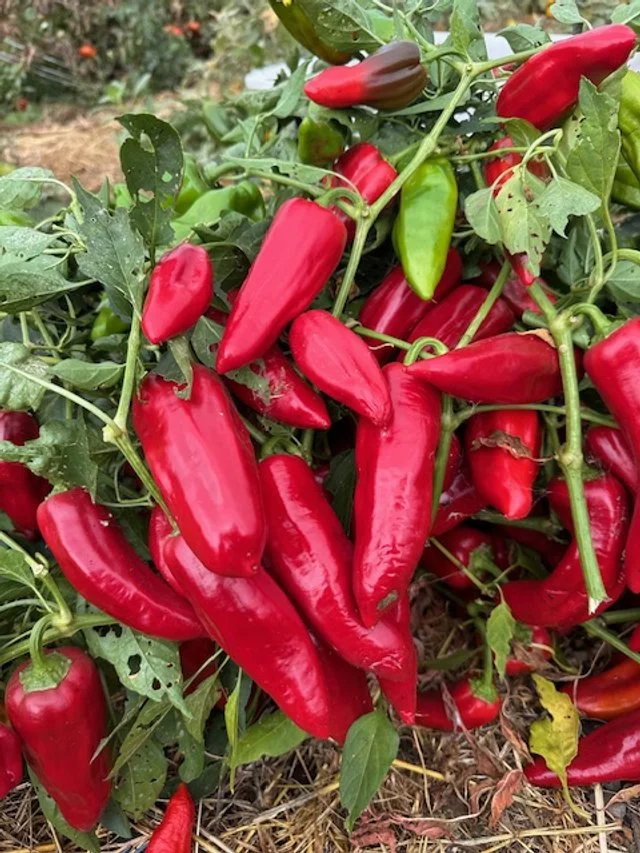
A super prolific pepper variety typically used in the powdered form to add color and heat to dishes. The fresh pepper has bright, citrusy notes and medium pungency. We love using the fresh pepper in cooked dishes. It adds the perfect amount of heat without being too overbearing. Just be careful if eating the peppers straight off the plant like we do… Some are much hotter than others!
This pepper variety was the first on our farm to turn red, despite our cooler climate. These plants tend to topple over because of how many peppers it produces at the same time so plan to stake or help support the plant. Can benefit from some shade if temperatures exceed 90 degrees.
Harvest peppers when red, place in oven on the lowest setting until peppers are totaly dry and blend into a powder or chili flake. We also really enjoyed cooking with the green pepper. It’s slight heat was a great addition to stir-frys and sautees!
25 seeds per packet.
Capsicum annuum

A smooth skinned, open pollinated variety with fruits that remain extremely tender. Fruits are dark green, straight, slender pods around 5-6" long. This is the ideal variety for making bhindi masala (A South Asian spiced okra curry).
Okra is a heat loving crop, capable of thriving in dry conditions. Adaptable to most soil conditions, they can be negatively affected in heavy, waterlogged ground. Harvest window spans 6-8 weeks. Consistant harvesting (every 2-3 days) will ensure a prolific harvest through out the season.
Seeds can be started indoors 3-4 weeks before being transplanted outside or direct seeded when nighttime temperatures are steadily above 55 degrees. We recommend direct transplanting in May or June for optimal success.
Our seeds are originally from the awesome farmers at Xiong Farms. We were delighted to find this Indian Okra variety being sold at the Old Oakland Farmers Market and they were generous enough to share seeds with us over 3 years ago! They initially received these seeds from someone at an Indian store over 9 years ago and have been growing them and saving seeds for their own usage. Our seeds are highly adapted to cooler climates and this is especially due to Xiong Farms’ stewardship!
Each packet contains 20 seeds.
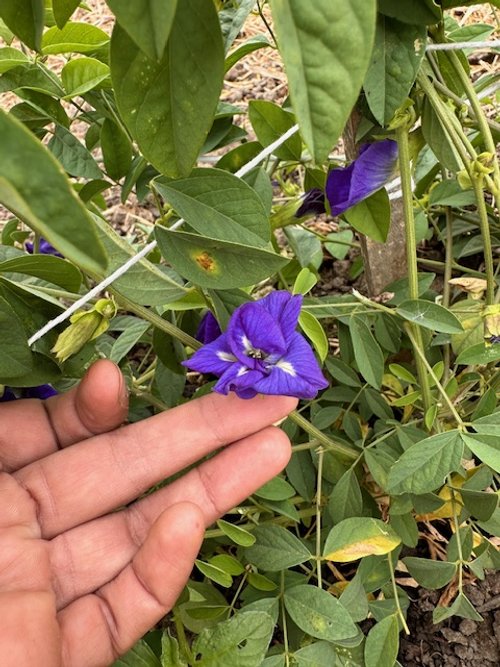
A vining perennial in Zones 10+, this legume grows throughout Asia and has various uses. The flowers are known as "Aparajita" (अपरजिता) in Hindi.
The plant produces deep blue flowers that are typically used as dye. The flowers can also be added to tea, rice or other foods to impart a deep blue color. It has been used for centuries in Ayurveda as a memory enhancer, nootropic, antistress, anxiolytic, antidepressant, anticonvulsant, tranquilizing and sedative agent. The flowers are also used in pujas.
The vine sends out multiple branches that could either be trellised or left to sprawl on the ground. The vine can grow to 4-5 feet tall if trellised. The leaves and flowers both resemble those of other pea plants but the pea pod is only edible when very young and tender. As a legume, the plant fixes nitrogen back into the soil. Prefers full sun.
To make tea:
Use one-quarter of a cup of dried butterfly pea flowers per one to two cups of water. Bring the water to a boil, then remove from heat and add your flowers. Allow them to steep until the water has turned a deep purple or indigo, up to eight minutes. It can be served hot or over ice. Then, add lemon juice and sweetener to taste. As you add the lemon juice, watch the color change from purple to violet!
10 seeds per packet.
Clitoria ternatea