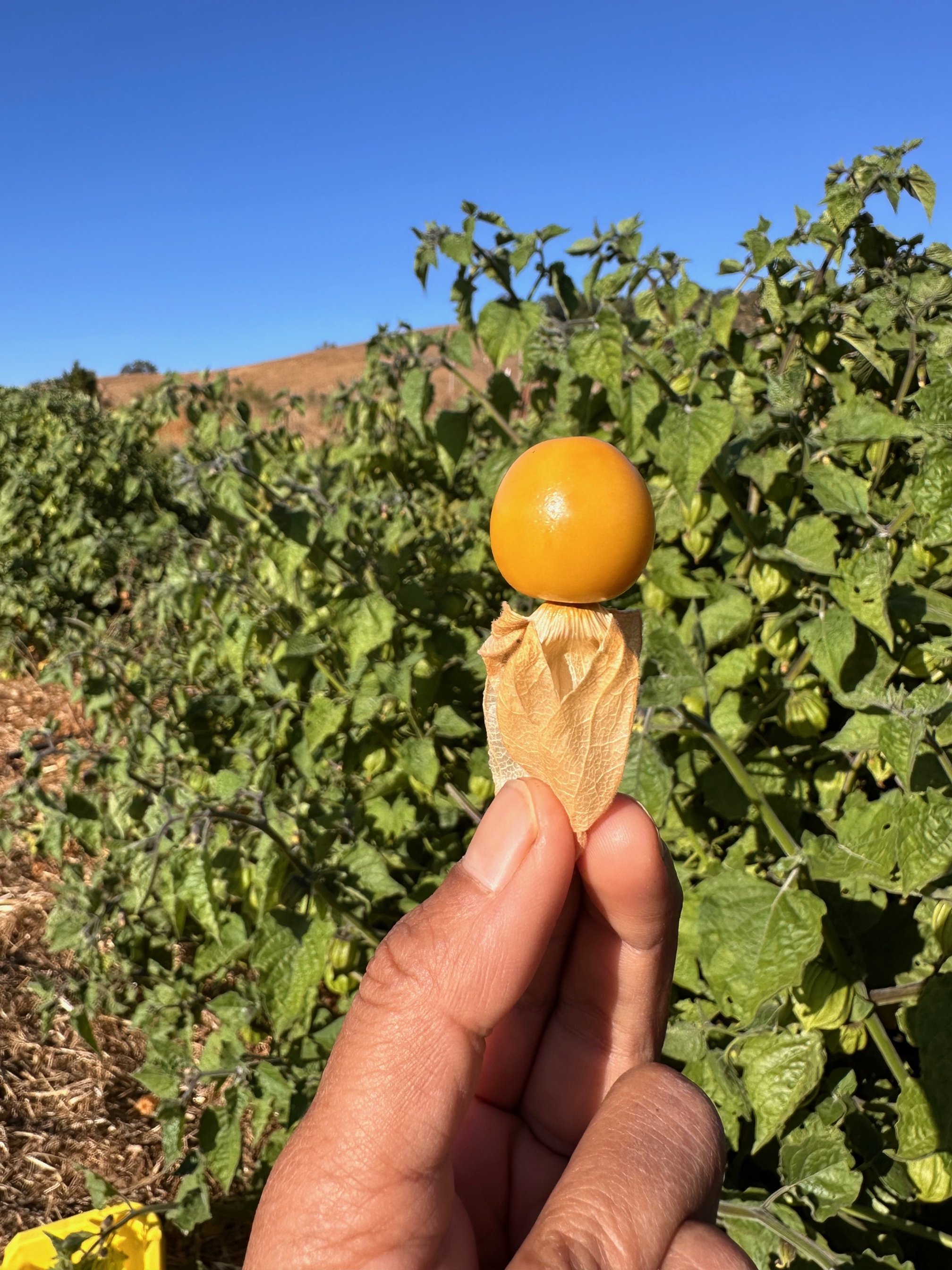
 Image 1 of 3
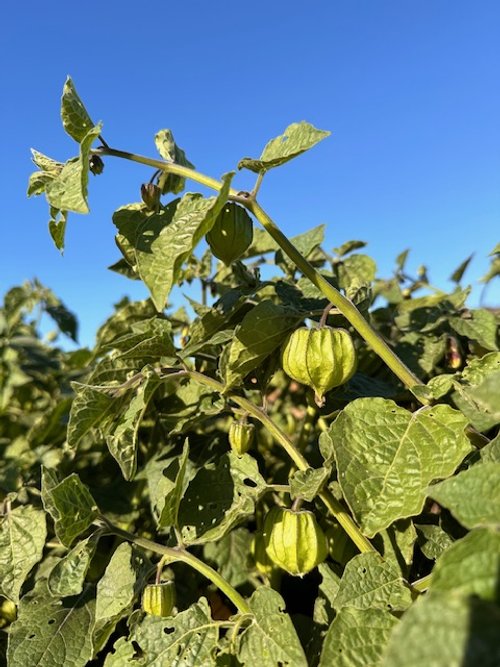 Image 2 of 3
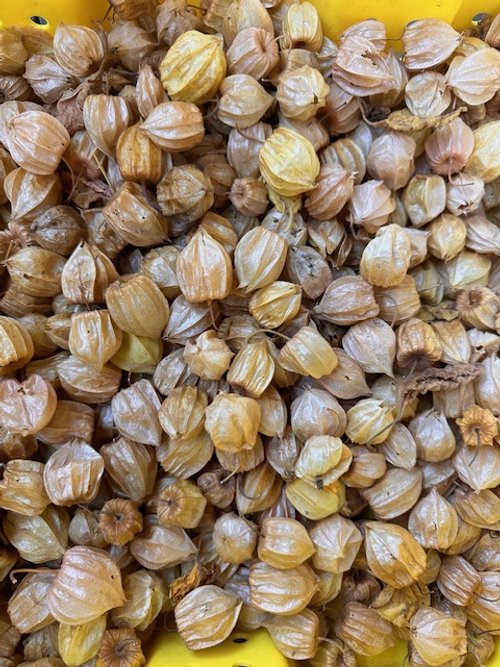 Image 3 of 3
More Seeds
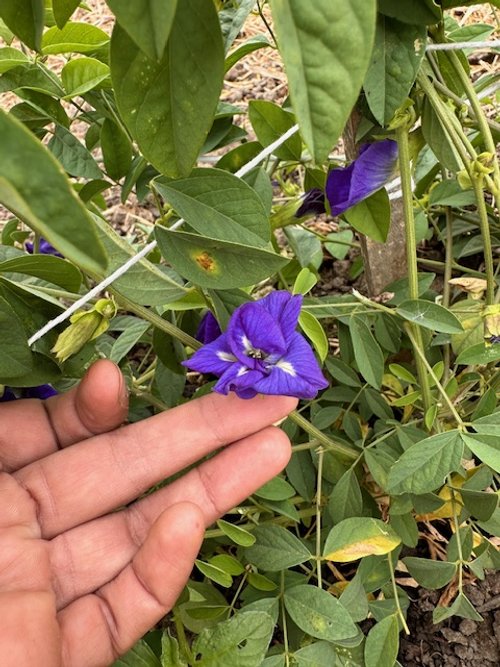
A vining perennial in Zones 10+, this legume grows throughout Asia and has various uses. The flowers are known as "Aparajita" (अपरजिता) in Hindi.
The plant produces deep blue flowers that are typically used as dye. The flowers can also be added to tea, rice or other foods to impart a deep blue color. It has been used for centuries in Ayurveda as a memory enhancer, nootropic, antistress, anxiolytic, antidepressant, anticonvulsant, tranquilizing and sedative agent. The flowers are also used in pujas.
The vine sends out multiple branches that could either be trellised or left to sprawl on the ground. The vine can grow to 4-5 feet tall if trellised. The leaves and flowers both resemble those of other pea plants but the pea pod is only edible when very young and tender. As a legume, the plant fixes nitrogen back into the soil. Prefers full sun.
To make tea:
Use one-quarter of a cup of dried butterfly pea flowers per one to two cups of water. Bring the water to a boil, then remove from heat and add your flowers. Allow them to steep until the water has turned a deep purple or indigo, up to eight minutes. It can be served hot or over ice. Then, add lemon juice and sweetener to taste. As you add the lemon juice, watch the color change from purple to violet!
10 seeds per packet.
Clitoria ternatea
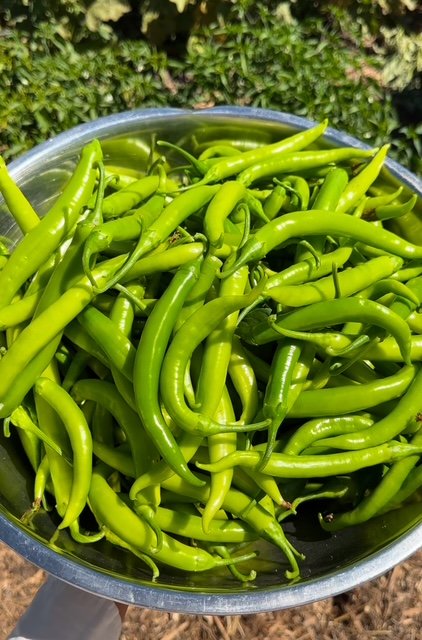
A light green, straight and smooth pepper with thick flesh. The medium pungency gives these peppers just the right kick for dipping in chickpea batter and making bhajia (pakoda). Plants are vigorous, producing 7-8 inch long peppers. Plants are early maturing and prolific producers.
We’re not joking when we say these plants produced so many peppers we’ve never seen anything like it. This variety starts producing earlier than all of our other pepper varieties and continues all the way until frost! Peppers are also great for making a quick achaar (indian pickle) or grilling!
Our seeds are originally from the Gujarat region of India.
25 seeds per packet.

Drought tolerant, annual plant producing the white sesame seed used in South Asian and many other Asian cusines. Plant can grow up to 6 feet - here in Petaluma it grew 4 feet tall and was producing stunning pale pink flowers up until the first frost.
To harvest the seeds, wait for the seed pods to turn brown and dry up on the stalk. Put them into a brown paper bag or fabric bag to collect all the seeds. In Petaluma, the pods were just beginning to turn brown at the end of the season so we put them in a big lawn bag and stored them in a warm, dry place until the plant fully matured and the seed pods ruptured open to release the seeds.
Plant thrives in warm, dry locations. Once plant is established, waterings can be reduced.
200 seeds per packet
Sesamum indicum

Kalonji, also known as Black Cumin, Black Seed, and Nigella is a highly medicinal spice used in South Asian and Middle Eastern cuisine. In the Tibb-e-Nabwi, the Muslim medicinal guide, 7 Nigella seeds a day is said to be the cure for all diseases except death. The seeds are also delicious when used on naan, curries, roasted vegetables or pickles.
The plant resembles the common garden flower, Love-in-a-mist, with delicate fennel like foliage and stands 10-12" tall. During peak bloom the plant sends out dozens of five or six petaled white flowers that are highly attractive to bees. Over the course of a week, the seed pod slowly begins to balloon up and develop as it is pollinated. It is a lovely sight and a wonderful activity to sit in the garden and watch as the bees are hard at work!
We have found that these seeds do not transplant well. To plant, simply sprinkle seeds on top of soil surface and scratch seeds in or gently use a rake to bury seeds slightly. Plants do not need to be accurately spaced but aim for 2-4" between plants. No thinning is required. For best results, it's best to wait until the weather has warmed and the last chance of frost is long gone. Keep soil moist until first signs of germination. If hand watering, be careful not to drown seeds while watering. It can be helpful to cover seeds with floating row cover or cardboard for the first week to help keep the soil surface moist. Seeds should germinate in 7-10 days. Can be grown in pots too.
Flowers can be harvested for fresh flower bouquets. At full maturity, the seeds pods will turn brown and become papery. To save seeds for culinary or planting purposes, allow pods to fully dry on plant and gently open over a bowl or bag.
We were astonished at how potent the smell of freshly harvested seeds were! Growing up only having smelled the bagged seeds from Indian stores, there is a stark difference between the two. Our seeds are originally from the Jhalawar district in Rajasthan, India and we have been stewarding them here on our land for the last 2 years.
Each packet includes minimum 1/2 oz of seeds. Enough for cooking and planting purposes.